Why Generic Travel Itineraries Fail - And What to Do Instead
 Viarlo Travel Studio1 May 20268 min read

Planning a personalised travel itinerary is harder than it looks, and most people don't realise why until they're already on the trip.
There is a particular feeling that arrives somewhere around day three of a trip you spent weeks planning. The restaurant was fine. The viewpoint was crowded. The day felt vaguely like the day before. You followed the itinerary - the one assembled from ten different blog posts, a Reddit thread and a travel app - and yet something is missing. It was designed for everyone. Which means it was designed for no one.
At Viarlo Travel Studio, this is the problem we exist to solve. Not because generic itineraries are badly made, but because they are made without knowing you, your pace, your interests, the things that make a place come alive for you specifically. This post explains why generic travel planning falls short, what the difference looks like in practice, and how to plan a personalised travel itinerary that actually fits.
Why Generic Itineraries Feel So Hollow
The travel content industry is built on scale. A blog post titled "Japan in 14 Days" needs to appeal to 50,000 readers - solo travellers, families, photography enthusiasts, food obsessives, first-time visitors. The writer cannot know that you want to spend three days in Kyoto because temples genuinely move you, not because you feel obliged to see them. They cannot know that you find crowded markets exhausting, that you need a slow morning every third day, that your real interest is contemporary ceramics rather than traditional crafts.
So they write for the average traveller. And the average traveller doesn't exist.
The result is itineraries that are technically correct - the famous places, the obvious route, the standard timing - but feel oddly hollow when you're actually living them. You arrive in Porto and realise you have three hours at a viewpoint you don't care about and no time at the bookshop district you actually came for.
This isn't a failure of effort. It's a structural limitation of planning for everyone at once.
The Research Spiral Most Travellers Get Trapped In

The natural response is to research more. More blog posts, more Reddit threads, more YouTube videos. Most travellers planning a significant trip spend between 20 and 40 hours in this spiral and still arrive feeling uncertain.
The problem isn't a lack of information. The problem is too much information, none of it filtered through your particular preferences and travel style.
You end up with a browser full of tabs, a notes document with contradictory recommendations, and a lingering anxiety that you've missed something important. Then you piece together an itinerary from what felt most mentioned, book accordingly, and hope it works out.
Sometimes it does. More often, you arrive and realise you've optimised for the wrong things.
"I spent weeks planning and still felt like I missed the best parts."
This is one of the most common things we hear from travellers who come to Viarlo. Not that they did no research, but that all the research still didn't produce a trip that felt designed for them.
What a Personalised Travel Itinerary Actually Looks Like
A genuinely personalised travel itinerary doesn't start with a destination. It starts with you.
Before any day-by-day structure, before any recommendations, before any routing decisions, the right questions need to be answered. What is the emotional tone of this trip? What pace do you actually want, versus the pace you think you should want? What does depth mean to you in a destination - food, art, history, landscape, people? Are you energised by cities or restored by nature? Do you want evenings with options, or a clear plan?
The answers to these questions change everything. Two people can visit Japan for 14 days and need completely different itineraries - not just different restaurants, but different rhythms, different regions, different entry points into the culture.
A personalised travel itinerary built around your answers looks structurally different from the generic version. The day flow is designed around your energy patterns. The experiences are chosen because they match your interests, not because they rank highly on a list. The pacing builds in the breathing room you actually need. The routing makes sense for how you want to move through a place, not just how most people move through it.
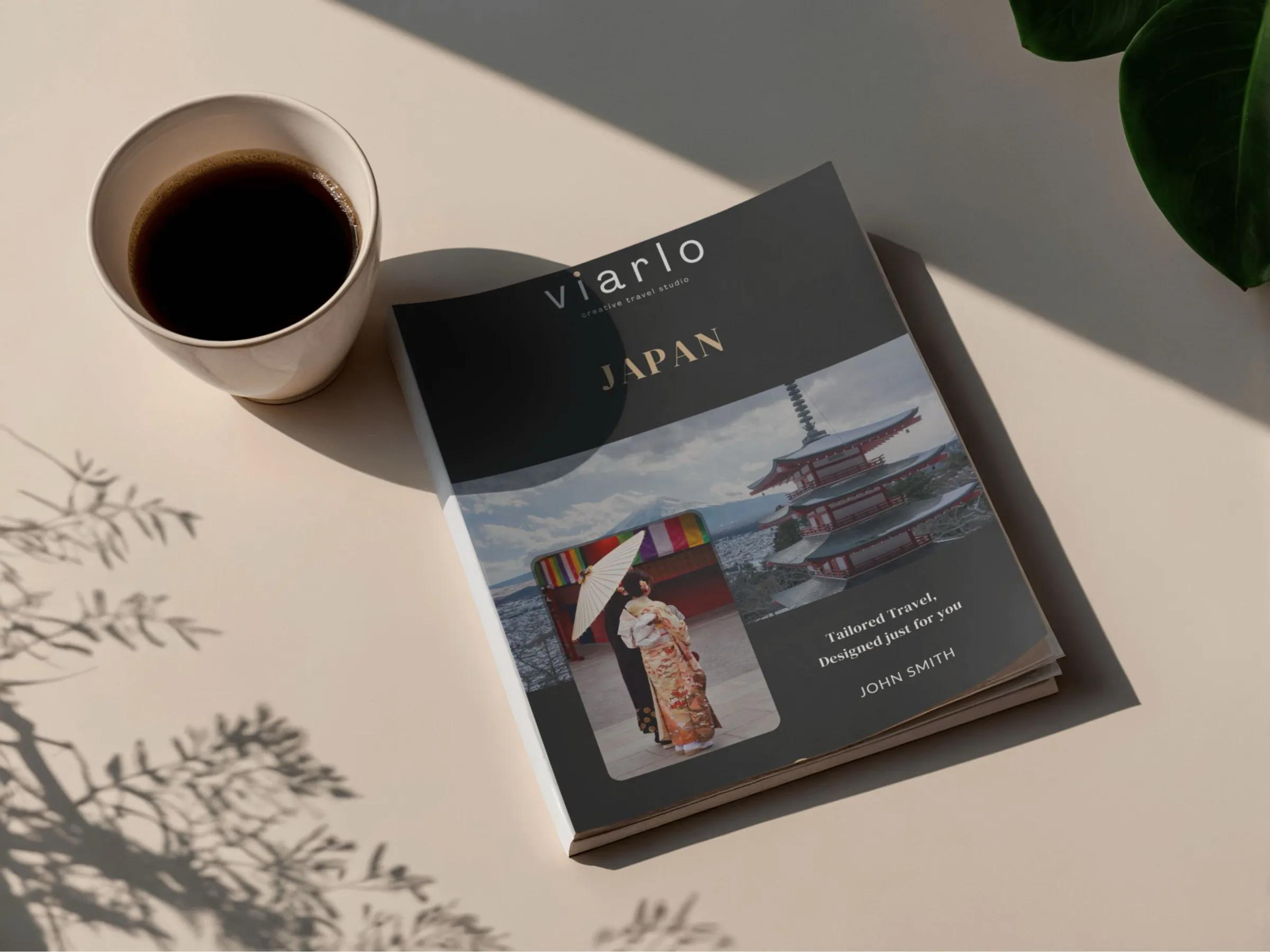
This is what Viarlo's travel blueprints are built to deliver - a complete journey design, drawn from a detailed questionnaire and consultation, structured around you specifically.
Why AI Tools and Blog Posts Can't Fill This Gap
AI tools like ChatGPT are fast and impressively capable for travel planning. They can generate a 14-day itinerary for almost any destination in seconds. But they share the same structural limitation as generic blog posts - they don't know you, and they can't apply genuine destination expertise to your particular situation.
A tool that has processed millions of Japan itineraries will produce a Japan itinerary that reflects the average of all those inputs. It will include Arashiyama, Fushimi Inari and Shibuya Crossing because everyone includes them. It cannot tell you that for someone with your interests, the Setouchi art islands would reshape your understanding of the trip. It cannot weigh the trade-offs for your specific constraints and preferences.
Human expertise, earned through research, destination knowledge and the practice of designing many journeys, makes different judgements. Not just recommendations, but the structural thinking about how a journey hangs together: what order to experience things in, where to slow down, where the itinerary has been mistakenly front-loading the obvious.
If you're planning a trip to Japan and want a starting point before committing to a full blueprint, the Viarlo Japan Framework is a free download that outlines the key structural decisions most itineraries get wrong - a useful foundation for anyone planning a first trip.
The Standard Worth Planning To
A significant trip, like a honeymoon, a sabbatical, a milestone journey, a destination you've wanted to visit for years, deserves planning that matches its importance.
Most people spend €3,000-15,000 on a two-week trip. The flights, the accommodation, the experiences. The planning is often the smallest investment in the whole equation and the one that determines whether everything else delivers on its potential.
A personalised travel itinerary isn't a luxury add-on. It's the foundation that makes every other element of the trip work properly. The confidence of arriving knowing that what you have in front of you was designed around you and not around everyone or generated from an average, is a different experience from hoping the generic version happens to fit.
That's the standard worth planning to.
Personalised Travel Itinerary: Your Questions Answered
What is a personalised travel itinerary?
A personalised travel itinerary is a journey plan built specifically around your preferences, pace, interests and travel style, as opposed to a generic schedule designed for all travellers. At Viarlo Travel Studio, personalised travel itineraries are delivered as beautifully designed PDF travel blueprints, built from a detailed questionnaire and consultation.
Why do generic travel itineraries feel disappointing?
Generic itineraries are written for the widest possible audience, which means they cannot account for your specific interests, travel pace or what makes a destination meaningful to you. A traveller who wants depth and authenticity will consistently feel that something is missing when following a generic itinerary.
How long does it take to plan a personalised travel itinerary?
DIY research for a complex trip typically takes 20-40 hours, spread across weeks. Using a service like Viarlo Travel Studio, a personalised travel blueprint is delivered within 7-10 working days, built by an expert rather than assembled from blog posts and Reddit threads.
Is a personalised travel itinerary worth the cost?
For a trip with a total budget of €3,000-15,000, a professionally designed personalised itinerary represents 3-5% of total spend and determines the quality of every experience that follows. Most travellers find the cost straightforward to justify against the risk of an expensive trip that wasn't properly designed.
Want this designed around you? Start with a free 15-minute intro call - no commitment, just a conversation about your trip. Book your intro call →
A creative travel studio designing fully personalised journeys, built around the way you actually like to travel.