First Time in Morocco: What to Know Before You Start Planning
 Viarlo Travel Studio29 May 20268 min read
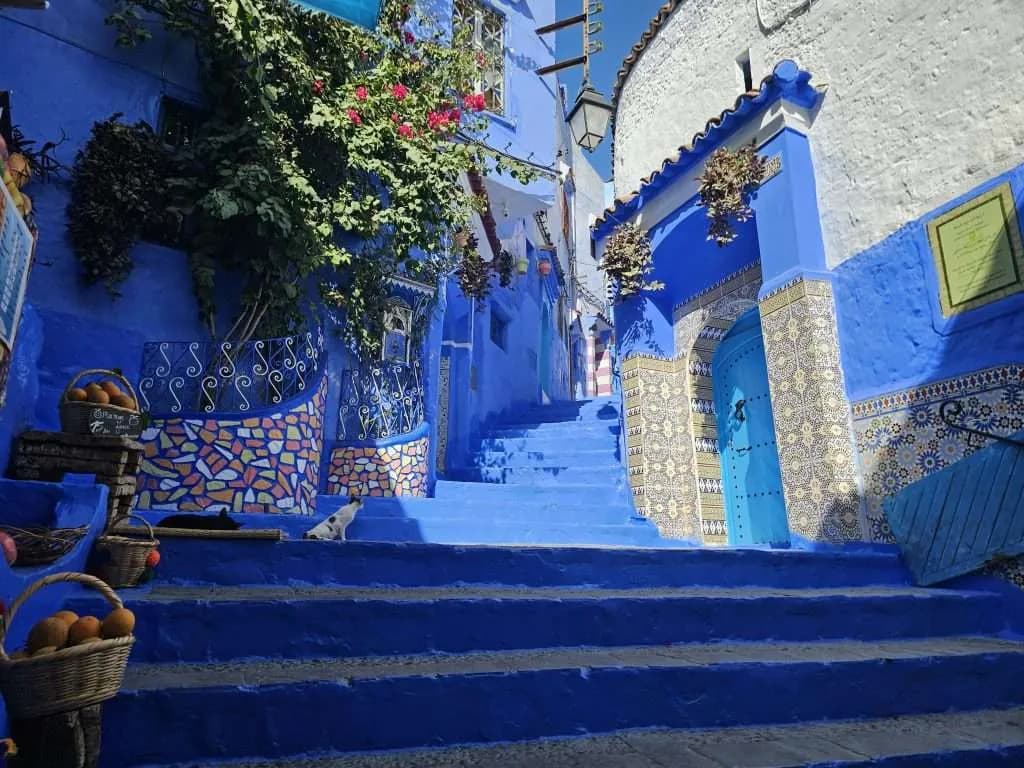
Morocco travel planning stops most people before they've started. Not because Morocco it's dangerous or inaccessible - it isn't - but because it doesn't organise itself the way a European trip does. There's no obvious sequence. The distances are deceptive. The routing decisions multiply quickly. And the more you research, the less certain you feel about where to begin on your Morocco itinerary.
At Viarlo Travel Studio, we design personalised travel blueprints for exactly this kind of destination - the ones where the planning itself becomes the problem. Morocco is one of the trips we're asked about most, and consistently for the same reason: people sense that getting it wrong would mean missing something essential, and they're not sure how to get it right.
This post won't give you a list of things to do in Marrakech. It will help you think about the structure of a Morocco trip and the decisions that determine whether your itinerary actually works.
How Long Do You Actually Need?
The most common Morocco travel planning mistake is trying to cover too much in too little time.
Morocco is physically large and logistically slower than most travelers expect. Road journeys that look short on a map take three to four hours. The medinas of Fès and Marrakech deserve more than a day each - often two or three, depending on how you like to travel. Add the desert and you're looking at a journey, not a stopover.
For a first trip, ten to fourteen days is the honest minimum if you want to experience more than one region without spending most of your time in transit. Ten days works well for a focused north-to-south journey. Fourteen gives you room to breathe with time to sit in a riad courtyard, to wander without an agenda, and to let a place settle.
Morocco rewards depth over breadth
Seven days or fewer in Morocco tends to produce the experience of having moved through something quickly rather than having experienced it. If that's what you have, narrow the scope rather than widening it.
The Central Routing Decision
There are three broad directions, and they don't combine easily in a short itinerary.
The Imperial Cities route - Marrakech, Fès, Meknes, Rabat - is culturally dense, architecturally extraordinary and intense. This is medina Morocco: souks, madrasas, tanneries, riads. It rewards travelers who want to go deep into one world rather than sample many. A ten-day trip built around two or three imperial cities, done properly, is one of the most rewarding itineraries Morocco offers.
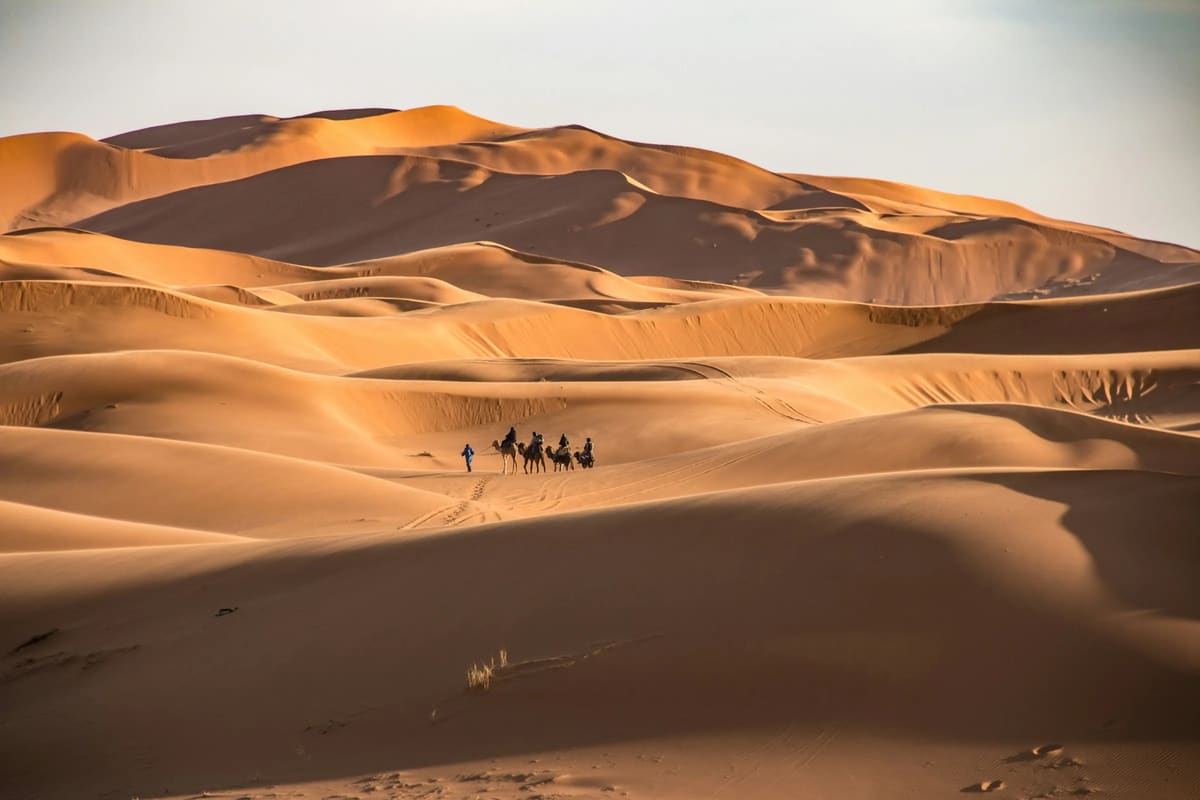
The Desert extension adds a completely different register. The road south from Marrakech through the Atlas Mountains to Merzouga and the Erg Chebbi dunes is genuinely spectacular, but it takes time. A proper desert journey, including the drive and a night or two in the dunes, requires at minimum three to four days from Marrakech and back. Rushing it produces the sensation of having been near the Sahara rather than in it.
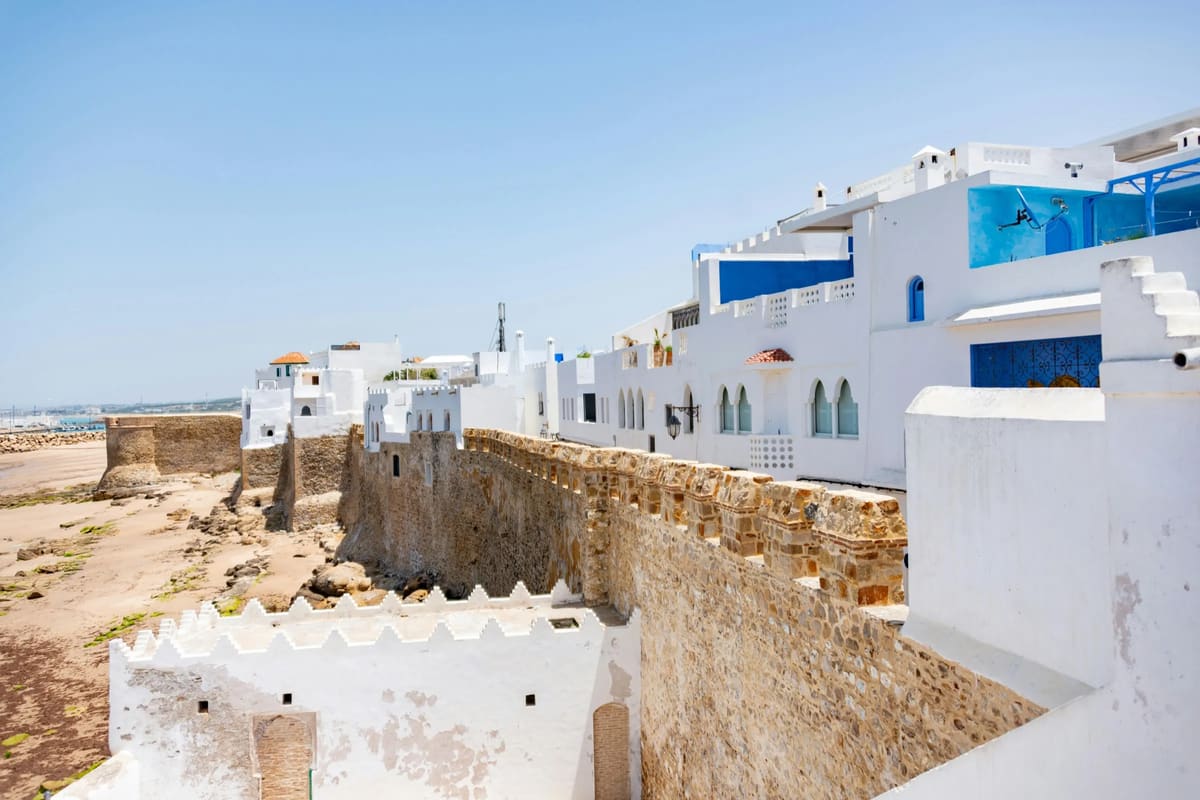
The coastal option - Essaouira, Agadir, the Atlantic coast - is quieter, breezier and often overlooked. Essaouira in particular offers a sharp contrast to the intensity of the inland medinas: whitewashed walls, fishing harbour, wind. It works well as a decompression stop within a longer itinerary, or as the anchor of a shorter, more relaxed trip.
Most first-timers want everything. The better question is: what would you regret missing most?
What Makes Morocco Travel Planning Different
Morocco travel planning requires more structural thinking than most Western European destinations, not because it's difficult, but because the decisions are more consequential.
Accommodation placement matters more than usual. Where you stay within a medina determines what you experience. The best riads are deep inside the old city, which means navigating without clear signage on arrival. Getting this right - knowing which neighbourhoods feel right for how you travel - makes a significant difference to daily life on the ground.
The pace question is non-negotiable. Morocco is best experienced slowly. Travelers who build in downtime - a long lunch, an unplanned afternoon, an evening on a rooftop - consistently describe the trip differently from those who plan every hour. An itinerary that looks ambitious on paper often collapses into exhaustion in practice.
Transitions need to be planned, not assumed. Getting from Fès to the desert is not a matter of checking a timetable. It involves decisions about whether to fly, drive, take a private transfer or join a guided journey - each with different implications for time, cost and experience. These transitions are where poorly planned Morocco trips lose their shape.
When to Go (Best time to visit Morocco)
Morocco has a useful climate window and a less useful one.
March to May and September to November are the clearest periods for most of the country - warm, manageable, less extreme than summer. Spring brings the Atlas in colour; autumn brings clear skies and cooler desert nights.
June to August is high season in the coastal areas and genuinely extreme in the interior. Marrakech in July is not comfortable for most travelers. Fès in August requires significant heat tolerance. If this is your only window, weight the itinerary toward the coast and the higher altitude areas.
December to February works well for the south and the desert - clear, cold nights in the dunes are remarkable - but the Atlas passes can close in deep winter, which affects routing decisions.
Ramadan requires specific consideration. The medina experience changes significantly during the holy month - some positively, some in ways that affect practical logistics. It's worth understanding what those changes mean before you plan around that period. Ramadan dates shift each year - the Hijri calendar is the most reliable reference for planning around it.
A Note on Planning This Trip Yourself
Morocco travel planning is something many people attempt independently - and many do it well. But it rewards the kind of structural thinking that takes real time and local knowledge to get right.
If you'd rather have this designed for you, that's exactly what we do. A Viarlo travel blueprint builds your Morocco journey around how you actually travel - your pace, your interests, your tolerance for intensity - rather than around a generic sequence of highlights. You can explore what that looks like on our Travel Blueprints page.
Or start with a free 15-minute intro call - no commitment, just a conversation about your trip. Book Your Intro Call →
Frequently Asked Questions About Morocco Travel Planning
How long should I spend in Morocco for a first trip?
For Morocco travel planning purposes, ten to fourteen days is the realistic minimum for a first trip that covers more than one region. Seven days or fewer, forces a choice between covering ground quickly or going deep in one place - and Morocco generally rewards depth over breadth.
Do I need a guide to travel in Morocco?
Not throughout, but strategically yes. A knowledgeable local guide for half a day in Fès medina - a UNESCO World Heritage Site and one of the most complex car-free urban environments in the world - is consistently one of the best investments travelers make with their Morocco travel planning. For the rest of the trip, independent travel works well with a well-structured itinerary.
Is Morocco safe for solo travelers?
Yes, including for solo women, with appropriate awareness. The main challenges solo travelers report are persistent touts in the medinas and the need for clear boundaries in souks. These are manageable with preparation - and a solid itinerary helps considerably, because confident directional travel draws significantly less attention than visibly uncertain navigation.
What's the best base for a first trip to Morocco?
Marrakech is the most common starting point - well-connected, logistically straightforward and a strong introduction to medina Morocco. Fès is arguably the more rewarding city for first-timers who want cultural depth, but it's less forgiving to get around without preparation. The best choice depends on your itinerary structure, not just personal preference.
Should I rent a car in Morocco?
Outside the cities, yes - a car gives you flexibility that public transport cannot match, particularly for the Atlas Mountain passes and the road to the desert. Inside the imperial cities, a car is a liability. Most effective Morocco itineraries combine private transfers or rental cars for the inter-city legs with walking and local transport within each medina.
A creative travel studio designing fully personalised journeys, built around the way you actually like to travel.