Portugal Travel Planning: Design the Perfect 10-Day Journey for You
 Viarlo Travel Studio15 May 20269 min read
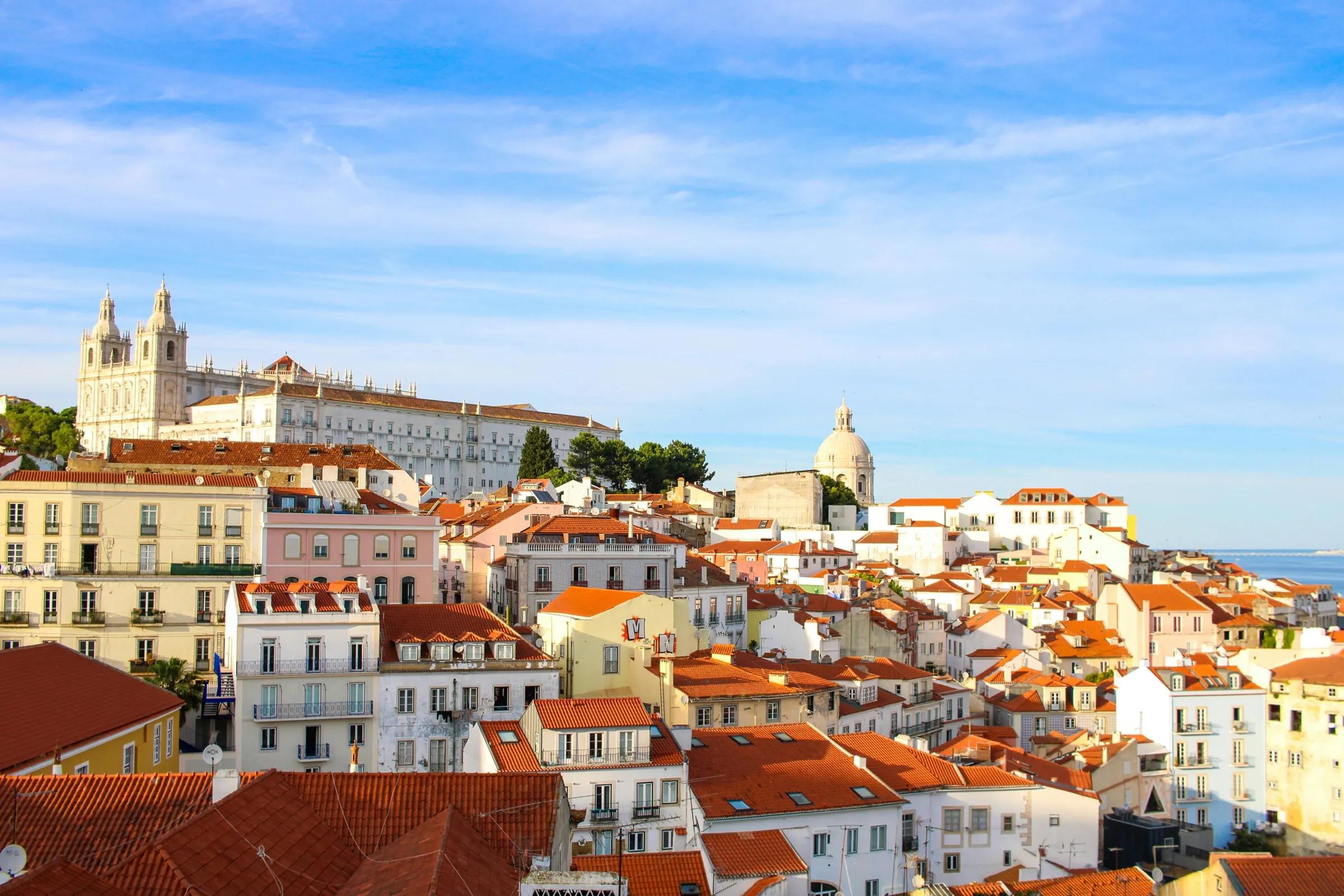
Portugal travel planning brings most people to the same starting point: Lisbon or Porto, how many days, which region. At Viarlo Travel Studio, it's one of the most requested destinations we work on, and easy to understand why.
It's also a destination that rewards considered planning. Portugal has enough depth to fill three trips and enough variety to go completely wrong if you try to pack all of it into one. The travellers who leave disappointed are almost always the ones who tried to do everything, or the ones who never moved past the obvious.
This guide won't hand you an itinerary. What it will give you is a framework for thinking through your Portugal trip properly: what kind of traveller you are, how the country actually divides geographically, and how to make the fundamental decisions that determine whether your trip feels designed or just assembled.
If you want your Portugal journey designed specifically around you, your pace, your interests, your travel style, that's exactly what a Viarlo travel blueprint is built to do.
The Lisbon vs Porto Question - and Why It's the Wrong Starting Point
Search "Portugal travel planning" for five minutes and you'll find the internet locked in a Lisbon vs Porto debate as if choosing one means forfeiting the other.
Here is the honest answer: both cities are worth visiting, and for most trips of eight days or more, you can do both without rushing either.
The more useful question is not which city but what kind of trip are you planning?
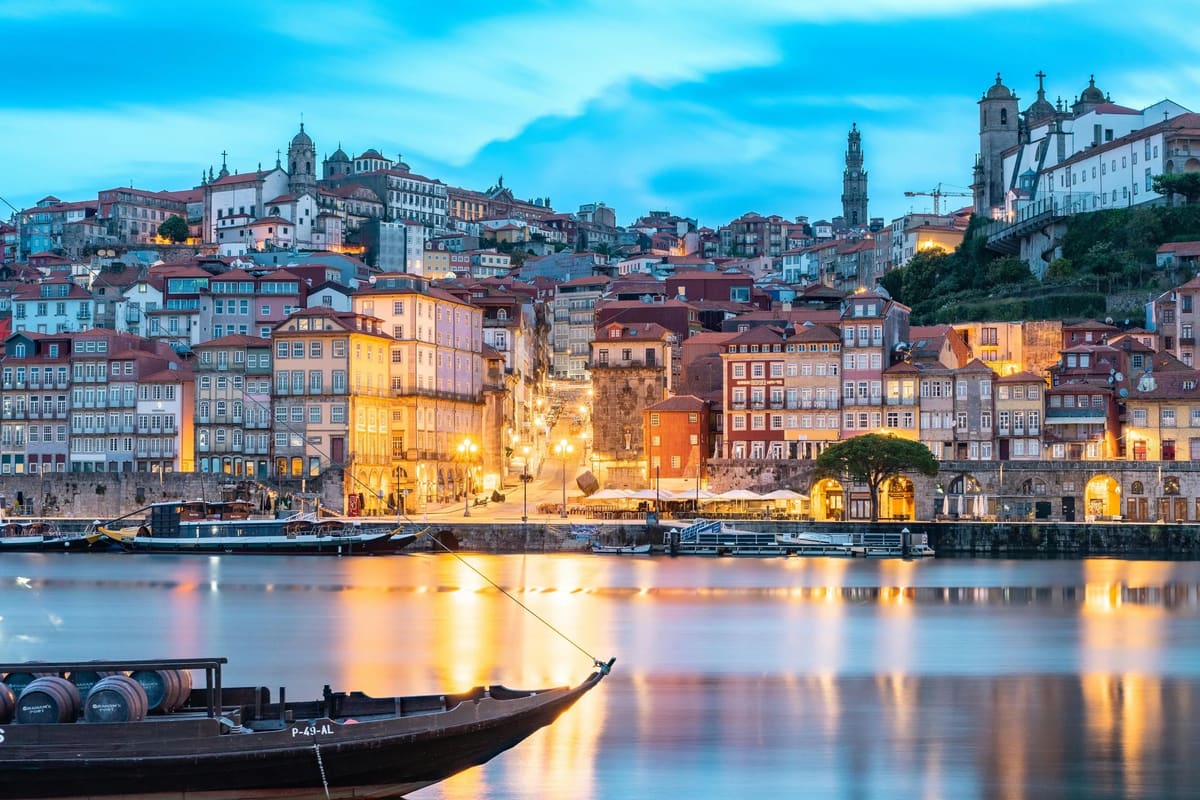
If your trip is primarily urban and cultural - you want to move between two excellent cities, eat well, explore on foot, visit museums and viewpoints, then a Lisbon + Porto structure works beautifully. Five or six days split between the two, with a night in Sintra or the Douro on the way, gives you two very different cities without back-to-back rushing.
If your trip is centred on landscape and slower living - Alentejo plains, Atlantic coastal villages, wine country, then one city as a base with day excursions may serve you better than splitting time between both.
If you have ten days or more, you likely have space for both cities and a regional detour. This is where thoughtful planning pays off.
The Lisbon vs Porto debate is a distraction from the more important question: what do you actually want from this trip?
How Portugal Divides - A Regional Framework
Portugal is a small country, but it has meaningful regional character. Understanding this makes planning far easier.
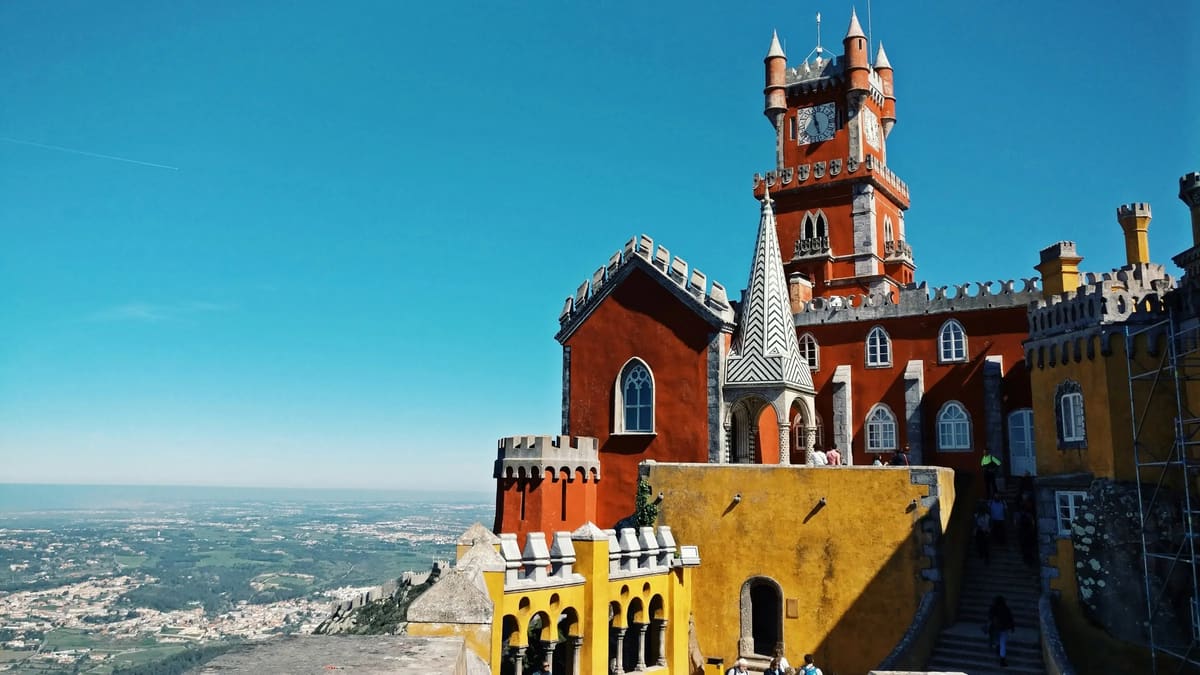
Lisbon and surroundings (Centro-Sul) The capital is your most logical entry point. It is cosmopolitan, hilly, dense with things to see, and surrounded by excellent day trips: Sintra (palaces and forest), Cascais (coastal town, relaxed pace), Setúbal (natural park, cliffs, beaches that feel nothing like the city). Lisbon works as a base for 3-5 days, longer if you want to use it as a hub for Alentejo.
Alentejo The interior region south of Lisbon is Portugal's slowest, quietest and most overlooked zone. Vast plains, cork forests, hilltop whitewashed villages, serious wine. Évora is the main town - a UNESCO-listed city that rewards a full day and ideally an overnight. Alentejo suits travellers who want Portugal without crowds and a landscape that feels genuinely different from anywhere else in Western Europe.
Porto and the Douro Valley Porto is smaller than Lisbon, more concentrated, arguably more atmospheric. The riverfront is iconic, but the city rewards wandering into its less obvious neighbourhoods. An hour east, the Douro Valley is one of Europe's most beautiful wine regions - river-carved terraces, quintas offering tastings, slow boat trips. If you are visiting Porto, adding a day or two in the Douro is one of the highest-value additions to any Portugal travel planning and itinerary.
The Algarve The southern coast is Portugal's most visited region and its most polarising. In peak summer it is extremely busy. In shoulder season (April, May, October), it is genuinely beautiful: dramatic sea stacks, hidden coves, long Atlantic beaches. The Algarve makes sense if coastal relaxation is a core part of your trip, or if you are visiting outside peak summer. It does not connect easily with a Lisbon-Porto structure without adding significant travel.
The North: Minho and Peneda-Gerês Less visited and increasingly interesting. Braga (Portugal's religious capital, excellent food scene), Guimarães (historic, walkable), Peneda-Gerês National Park (hiking, granite mountains). Worth considering if you are building a Porto-centred trip with more time.
The Three Structural Choices That Shape Your Trip
Before you plan a single day, you need to make three decisions. Every other planning choice follows from these.
1. How many days do you have?
Portugal changes significantly depending on trip length.
- 6-7 days: One city (Lisbon or Porto) plus day trips, or two cities with minimal regional detours. Keep it tight.
- 8-10 days: Two cities plus one or two regional extensions. This is the most satisfying length for a first trip.
- 11-14 days: Enough time to genuinely explore two cities, one or two regions, and still have days without an agenda.
- 14+ days: Multi-region trip - Lisbon, Alentejo, Porto, Douro, possibly a northern extension. Requires careful sequencing to avoid unnecessary backtracking.
2. What is your travel rhythm?
Some travellers want to stay in one place for four or five nights and explore from a base. Others prefer moving every two or three nights. Both are valid, but they produce completely different itineraries for the same number of days.
A slower-paced traveller in Portugal has a different Lisbon experience than someone fitting it into two nights. Planning around rhythm matters more than most guides acknowledge.
3. What is this trip primarily for?
Food and wine? Landscape? Architecture and history? A mix of urban energy and slow regional days? Being honest about this question early stops the itinerary from becoming a series of boxes ticked rather than a journey with a coherent identity.
The Practical Questions Worth Answering Before You Plan
When to visit Portugal
Spring (April-May) and autumn (September-October) are the strongest choices for most travellers. The weather is good, the Algarve crowds are manageable, and the cities feel like themselves rather than a queue. June and July are increasingly busy. August is peak season throughout - workable in Alentejo and the Douro, more challenging in Lisbon and the Algarve.
Getting between cities
Lisbon to Porto by train is under three hours on the fast Alfa Pendular service. This makes the two-city trip entirely practical without a rental car. If you want to reach Alentejo villages or drive the Douro, a car is worthwhile for those sections.
How long to stay in each place
Lisbon rewards three full days minimum to avoid a surface-level experience. Porto is smaller - two full days is realistic, three is more comfortable. Neither city benefits from a single overnight.
What Good Portugal Travel Planning Actually Looks Like
The travellers who have the best Portugal experiences are not the ones who do the most, they're the ones who chose what they wanted and then designed the trip around that decision.
A coherent Portugal trip has a clear through-line. It doesn't try to cover five regions in ten days. It makes considered choices about where to slow down and where to move. It sequences logically so that travel time doesn't eat the experience.
That level of thinking is exactly what takes the time and exactly what Viarlo Travel Studio is built to handle.
A personalised travel blueprint takes everything in this guide - your travel rhythm, your regional interests, your pace preferences, and turns it into a designed journey. Not a template. Not a list of things to see. A structured, day-by-day blueprint built specifically around how you travel.
Frequently Asked Questions About Portugal Travel Planning
Should I visit Lisbon or Porto?
For most trips of eight days or more, the answer is both. They are three hours apart by direct train and offer genuinely different experiences. Lisbon is larger, more cosmopolitan and surrounded by excellent day trips; Porto is smaller, more concentrated and the gateway to the Douro Valley wine region. The more important question is what kind of trip you want overall: one city as a base with regional depth, or two cities with selective day trips. That decision shapes everything else.
How many days do I need for a Portugal trip?
Eight to ten days is the most satisfying length for a first visit - enough to cover both Lisbon and Porto without rushing, add one or two regional excursions, and have at least a few days without a fixed agenda. Shorter trips (six to seven days) work well if you focus on one city and its surroundings rather than trying to cover the whole country. Fourteen days gives you genuine flexibility to include Alentejo, the Douro, and possibly the Algarve.
What is the best time of year to visit Portugal?
April to May and September to October are generally the strongest choices for most travellers. The weather is reliably good, the summer crowds haven't peaked, and the country feels more like itself. The Algarve specifically benefits from a shoulder-season visit - the coastline is stunning but becomes extremely busy in July and August. Lisbon and Porto are worth visiting year-round, though winter brings more rain in the north.
Is Portugal easy to plan independently?
The logistics are relatively straightforward, English is widely spoken, the train network between cities is good, and accommodation options are plentiful. The challenge is less logistical and more about sequencing and selection: how to structure the trip so that travel days don't eat into experience, which regions are worth the detour given your interests, and how to move beyond the obvious without ending up somewhere that doesn't suit your style. That curation and design work is where most travellers find value in working with a specialist.
Want Your Portugal Trip Designed Around You?
Planning a trip to Portugal takes time, and the generic version is easy to find. What takes real thought is designing a journey around your pace, your interests and the kind of experience you actually want.
That's what we do at Viarlo Travel Studio.
Start with a free 15-minute intro call - no commitment, just a conversation about your trip. Book your intro call →
A creative travel studio designing fully personalised journeys, built around the way you actually like to travel.